
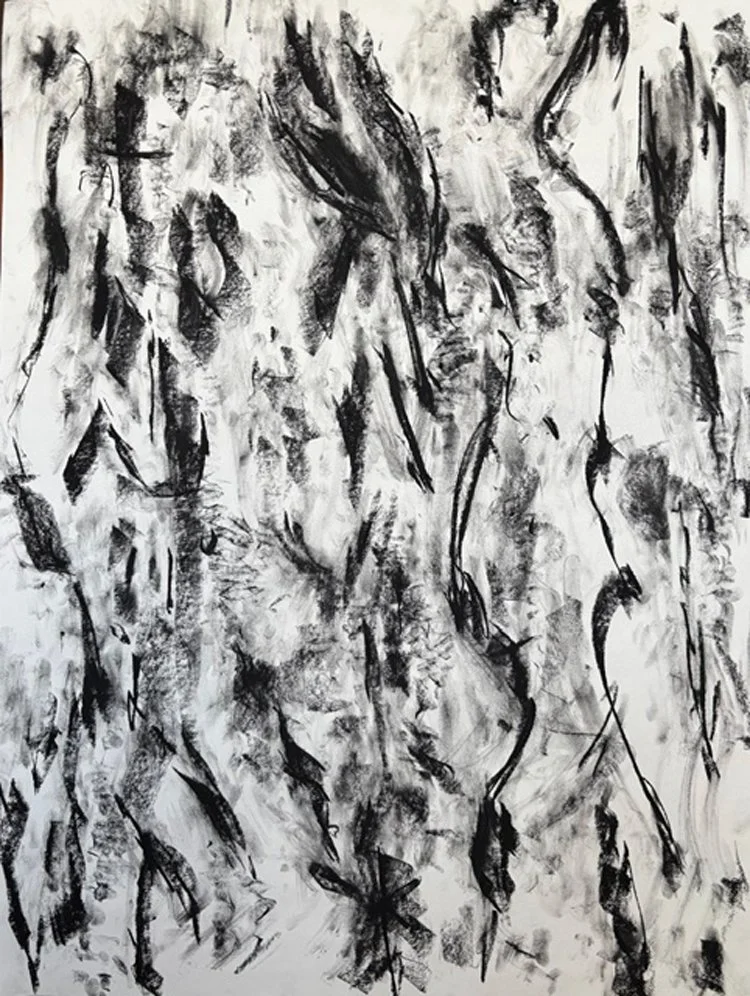
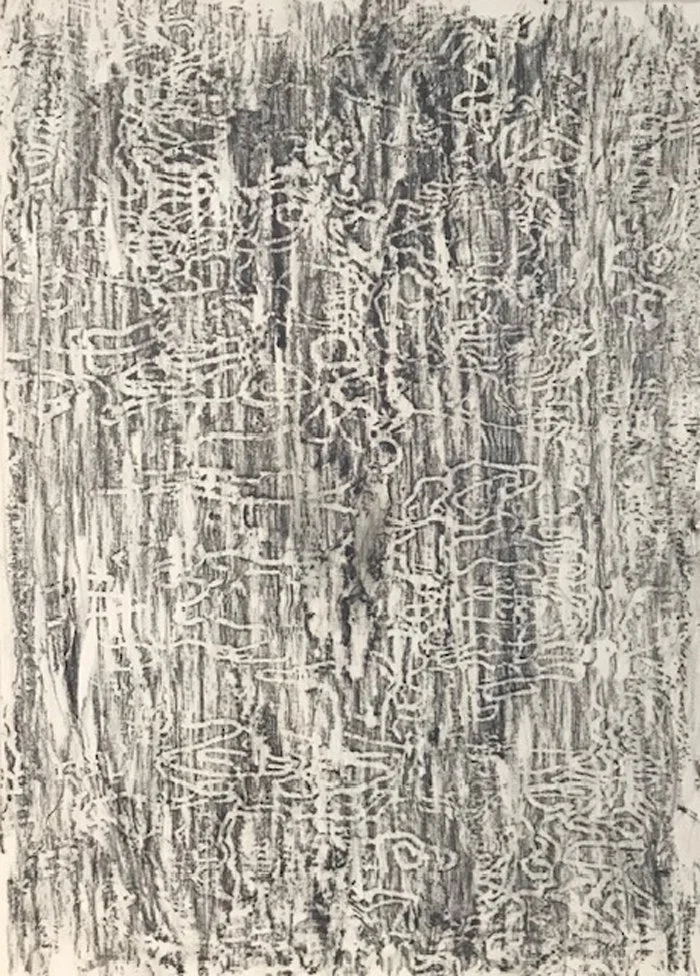
This group is an exploration of the tactile beauty of individual trees. Using a process that makes direct contact with damaged ash trees, I employ rubbings to capture wood grain, bark patterns, and internal grooves left by the larvae of Emerald Beetles. The images are formed by layering these intricate markings to create texture and dynamic spatial relationships.
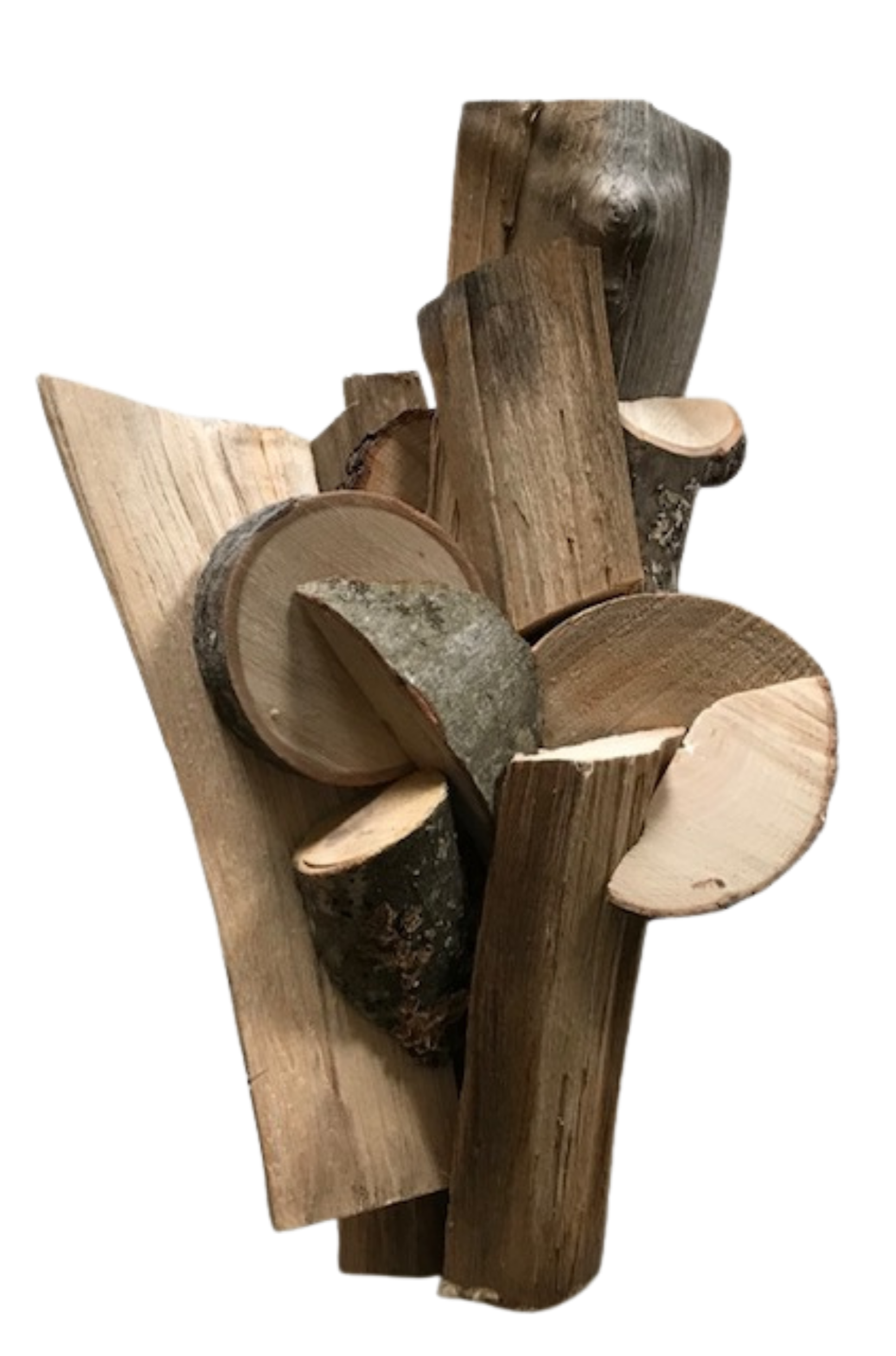
The materials for this group of sculptures have been sourced from nearby woods where I was drawn to the infinite variations in color and markings of fallen and damaged trees. My approach is similar to collage. I gather hand-sawed pieces of different shapes and textures. I then assemble the works and enhance the visual play by adding rough pieces of bark and occasionally polish some of the surface.
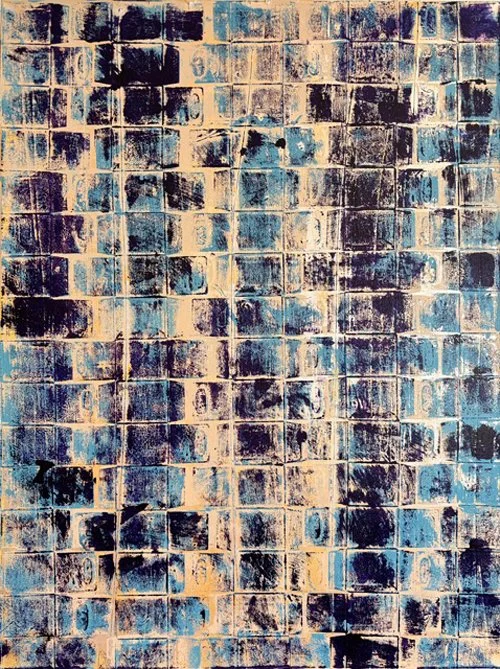
Light flickering across leaves has become a key facet and an elusive target in my effort to represent trees. In these paintings, I make use of flattened boxes to layer pigment onto the surface of paper or canvas to create tension between the grid structure of the boxes and the randomness of the paint.
By utilizing boxes from my own diabetes supplies in this creative procedure, I transform the remnants of medical devices into layered reflections of light, pattern, and breath. Bridging the beauty of the natural world and the quiet material reality of living with diabetes.
The resulting images remind us that what sustains us, even what we discard, can become a canvas for beauty and meaning.
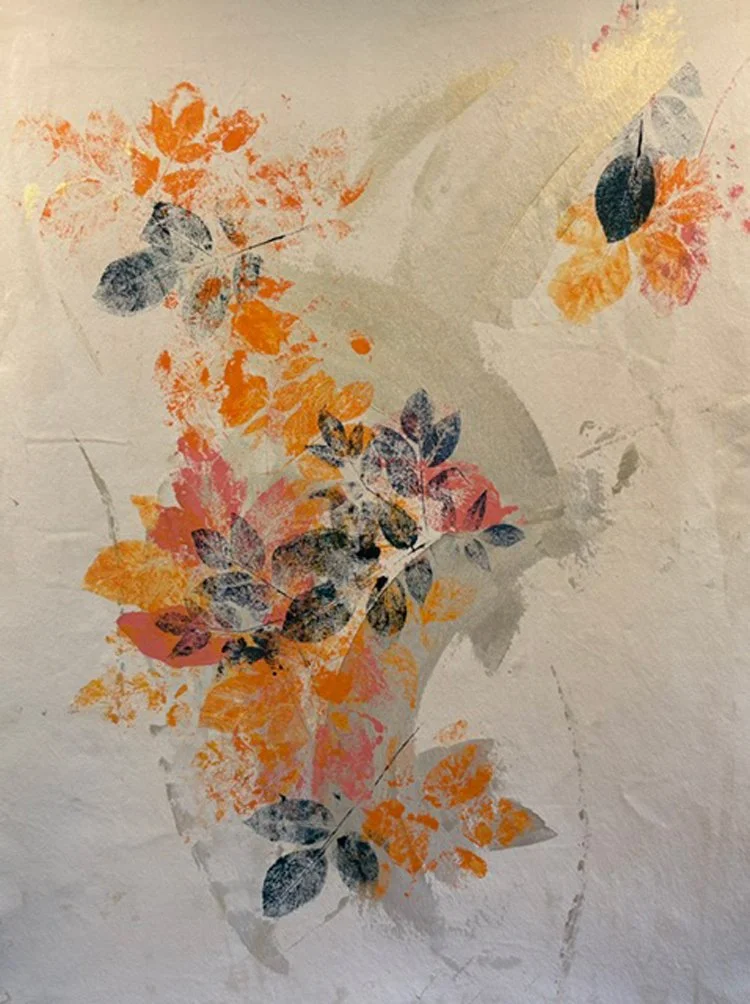
I am interested in documenting the continuous cycle of nature. And although many ash trees have perished, it was exciting to find a number that have survived. Employing a technique adapted from printmaking, I take leaves from healthy ash trees and use them to transfer pigment to paper and canvas. Working in this method, the natural material becomes an important element in the final image.
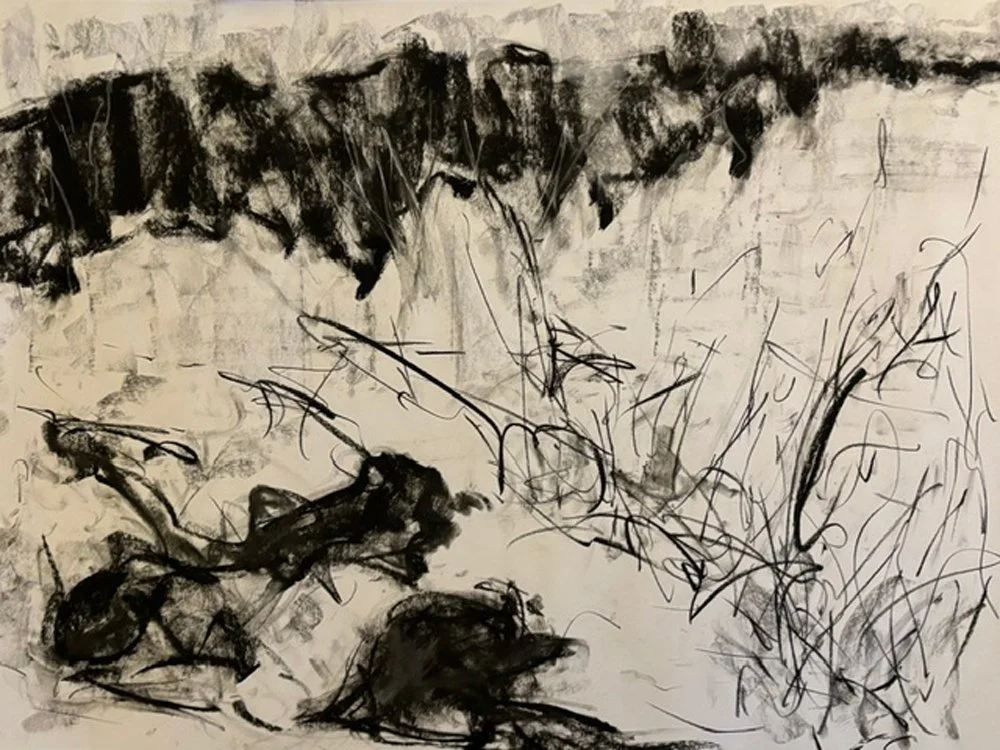
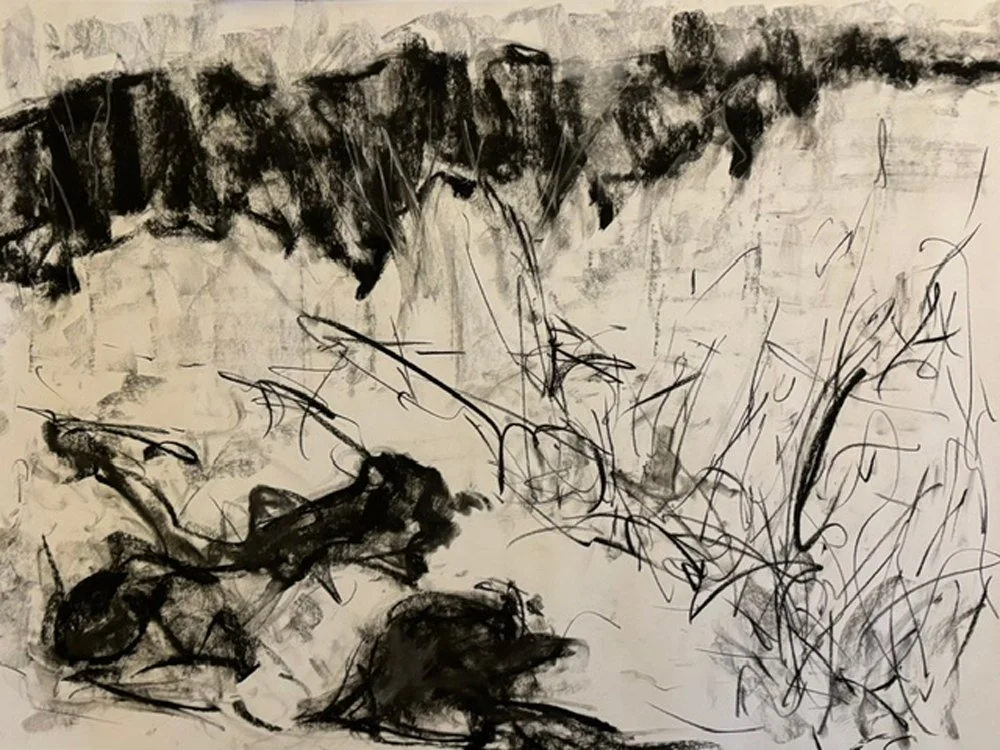
Across the Beaver Pond
As an abstract artist, my work is a response to the abundant generous beauty of the Hudson Valley distilled to a view of my own backyard. I use charcoal, graphite, and ink while drawing directly in the landscape.
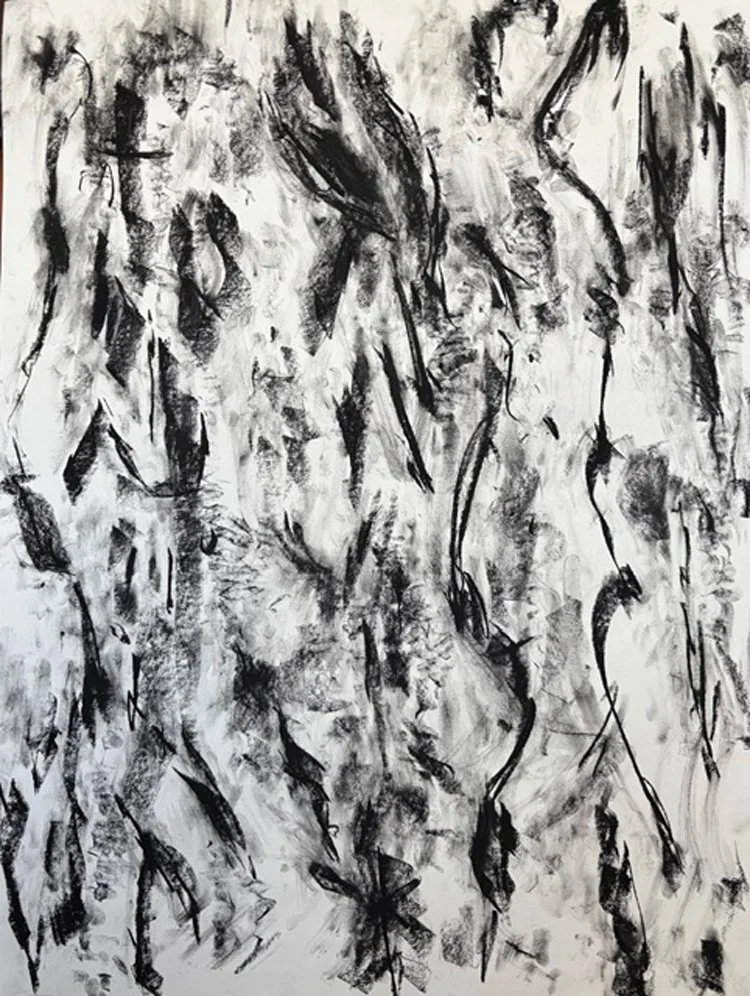
Maple Bark
Trees are the most familiar emblems of nature, and I use them to stimulate a connection between the viewer and abstract subject.
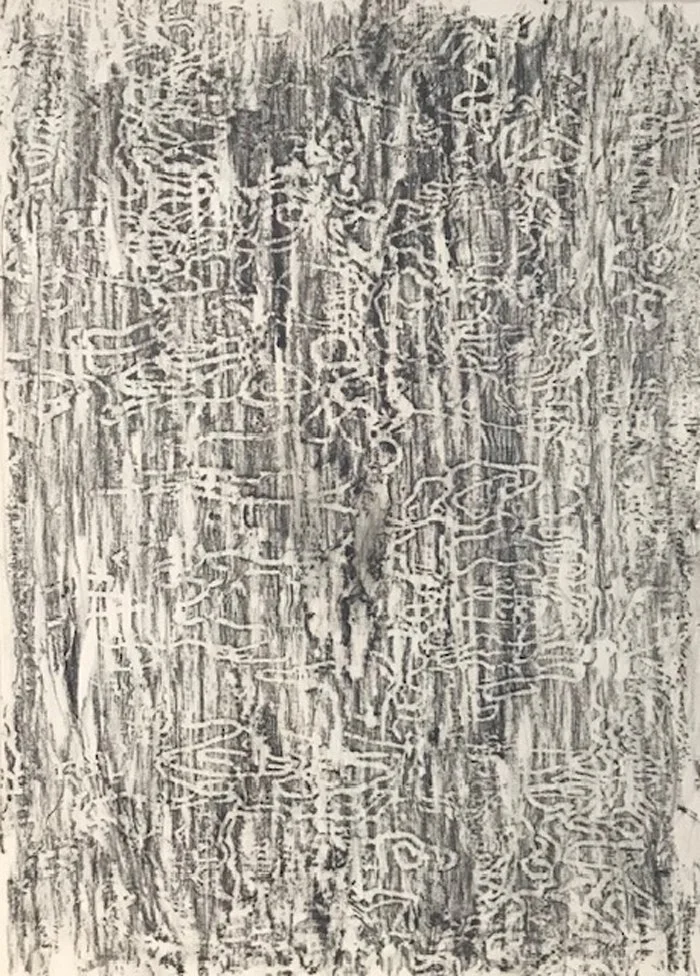
Under the Surface
This group is an exploration of the tactile beauty of individual trees. Using a process that makes direct contact with damaged ash trees, I employ rubbings to capture wood grain, bark patterns, and internal grooves left by the larvae of Emerald Beetles. The images are formed by layering these intricate markings to create texture and dynamic spatial relationships.
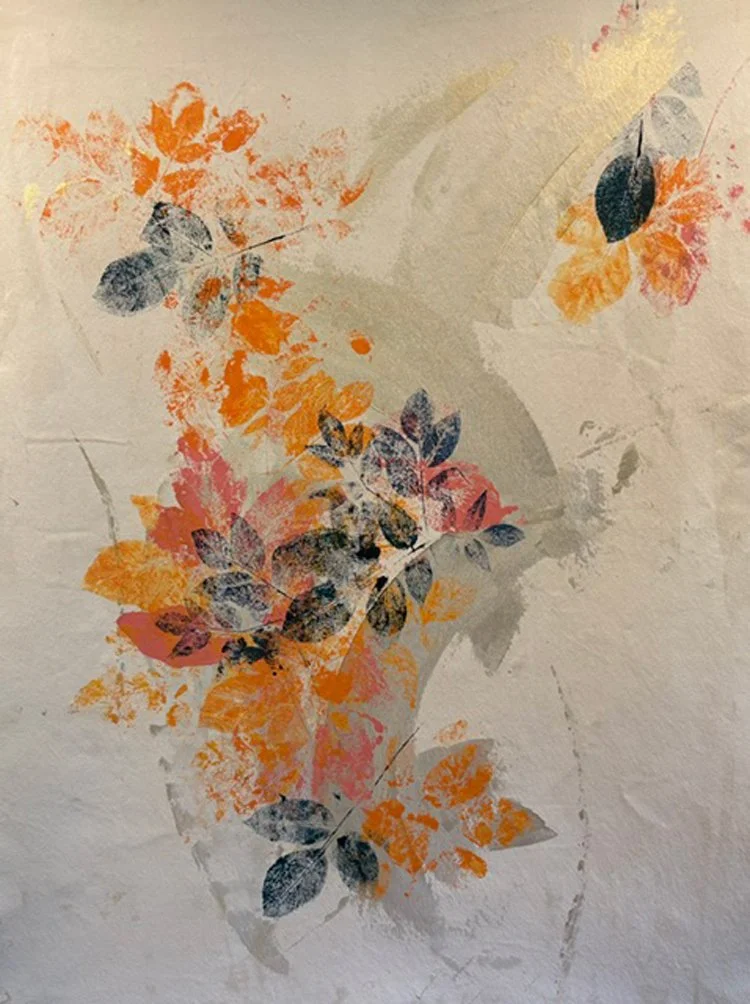
Spring Blooms Again
I am interested in documenting the continuous cycle of nature. And although many ash trees have perished, it was exciting to find a number that have survived. Employing a technique adapted from printmaking, I take leaves from healthy ash trees and use them to transfer pigment to paper and canvas. Working in this method, the natural material becomes an important element in the final image.
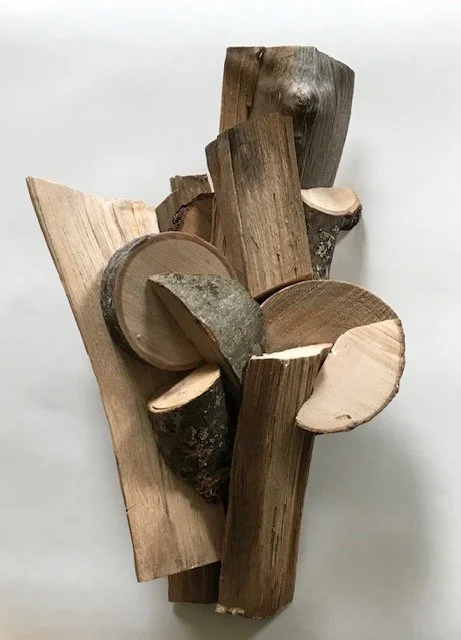
Thoughts of Magritte
The materials for this group of sculptures have been sourced from nearby woods where I was drawn to the infinite variations in color and markings of fallen and damaged trees. My approach is similar to collage. I gather hand-sawed pieces of different shapes and textures. I then assemble the works and enhance the visual play by adding rough pieces of bark and occasionally polish some of the surface.
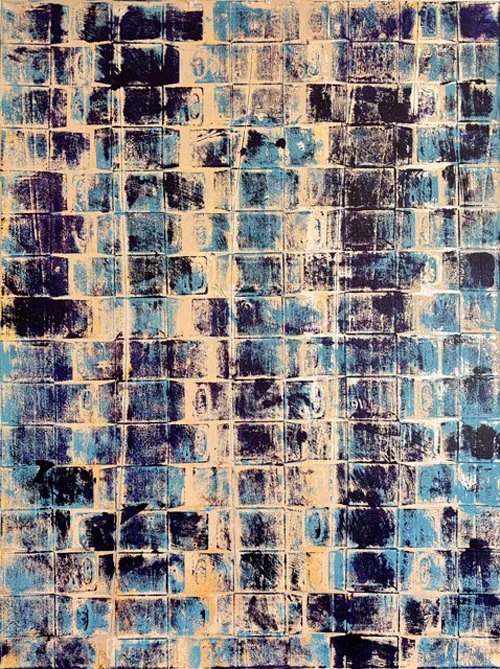
Winter Morning